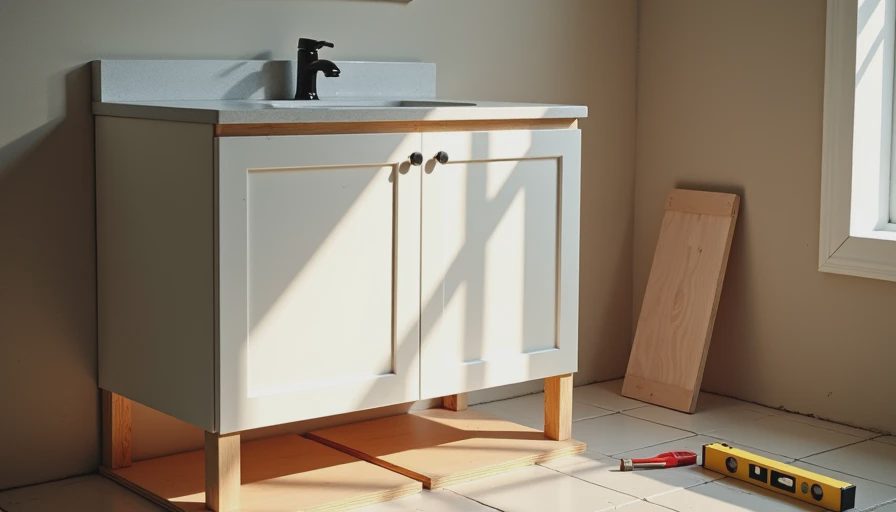
I’ll admit it — I was a flat-pack snob. When we first talked about redoing the kitchen, I wanted “real” custom cabinets. Then I saw the quotes and nearly had a heart attack. After some research and a leap of faith, we went with a high-quality flat-pack system. Best money decision we made in the whole renovation. Here’s how I went from skeptic to believer and why these cabinets still look and work great years later with two kids in the house.
My Original Bias Against Flat-Pack
I pictured cheap particleboard that would sag, chip, and look temporary. Influencer kitchens always showed full custom work, and renovation forums were full of horror stories about poor-quality flat-pack. I assumed we’d regret it the first time a drawer got slammed by tiny hands.
Then the quotes for traditional cabinets came in. Even the “semi-custom” options were pushing $12k+ before installation. Our budget (and timeline) couldn’t handle that, especially after the kitchen redesign drama.
Not everything needs to cost more. Some things just need to be thought about more — like actually comparing long-term performance instead of listening to preconceptions.
The Decision to Go Flat-Pack
We chose a reputable European-style flat-pack system with solid plywood boxes, soft-close hardware, and decent finishes. The whole kitchen set (cabinets, drawers, panels) came in at about $4,800 delivered — roughly half of what custom would have cost.
Assembly was surprisingly straightforward. The contractor helped with the hanging and leveling, but Megan and I did a good chunk ourselves over a couple of weekends.
What Surprised Us (In a Good Way)
Build quality was solid. The boxes are sturdy and the hardware is excellent. After three years of daily use, no sagging drawers or misaligned doors.
Customization options. We added soft-close everywhere, interior organizers, and matching panels that made the whole kitchen feel built-in.
Speed. The flat-pack allowed us to get the kitchen functional much faster than waiting for custom lead times.
Repairability. When we needed to adjust after the peninsula change, it was easy to tweak without major disassembly.
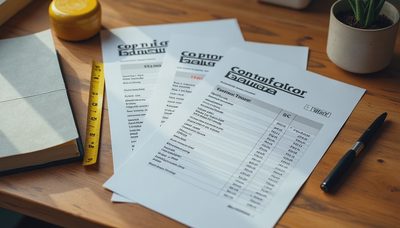
Budget Breakdown: The Real Savings
Flat-pack route:
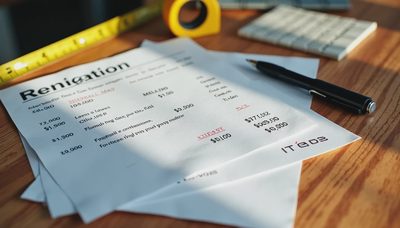
Cabinets & hardware: $4,800
Contractor install & leveling: $1,650
Painting & finishing (us): $420 Total cabinet portion: ~$6,870
Traditional custom estimate: $11,000–$14,000+
Savings: $5,000–$7,000 that went toward better counters, lighting, and the inevitable change orders.
The Upgrades That Made Them Feel Custom
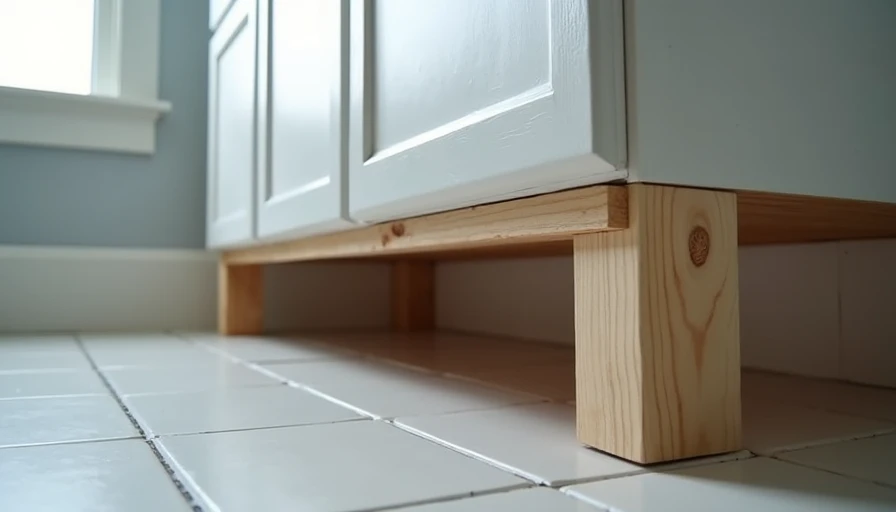
We didn’t just install and call it done. These small details elevated everything:
Upgraded pulls to matte black (the $32 decorator switch plate philosophy applied here too).
Added under-cabinet lighting strips.
Installed full-height panels on the ends for a built-in look.
Used quality soft-close hinges and drawer glides from the start.
These extras cost a few hundred but made the difference between “flat-pack” and “looks intentional.”
How They’ve Held Up With Real Family Life
Almost five years later, these cabinets still look sharp. They’ve survived marker attacks, spilled juice, heavy pots, and endless opening/closing. The soft-close feature is a lifesaver with kids. The finish has held up to cleaning without looking worn.
Leo uses the lower drawers independently now, and everything still glides smoothly. That’s the kind of durability that matters in a real house.
What I’d Do Differently Next Time
Order a couple of sample doors/boxes earlier to test finish and hardware in our lighting.
Plan interior organizers from day one — it saves frustration later.
Double-check all measurements twice with the actual appliances in mind.
Budget a little extra for premium soft-close components — worth it.
Why Flat-Pack Won Me Over
This project taught me that “flat-pack” doesn’t mean low quality anymore. Modern systems use good materials and smart engineering. The savings let us invest in other areas that actually improved daily life. As a product manager, I appreciate the thoughtful design and modularity.
In Budget & Trade, this is the kind of story I love sharing: real trade-offs that deliver excellent results without breaking the bank. Our kitchen works better because we chose smart over expensive.
If you’re staring at cabinet quotes and feeling sticker shock, look seriously at flat-pack options from reputable brands. Measure carefully, upgrade the hardware, and you might end up loving them as much as I do now.
Next in Budget & Trade we’ll talk about my garage workshop that cost less than a nice sofa. Until then, don’t let preconceptions about flat-pack stop you from exploring real budget-friendly options. Your wallet and your finished kitchen will thank you.
— Ethan
No letters yet — be the first to write.