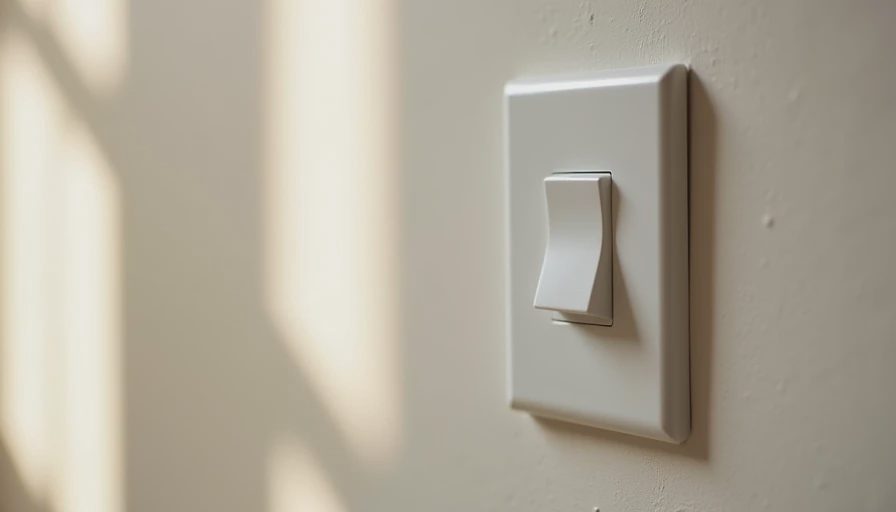
Sometimes the biggest design wins come from the smallest changes. In our house, one of those was swapping out the cheap plastic switch plates that came with the 1977 Colonial. Total cost for the whole house? About $32. The impact? It still surprises me every time I walk into a room and flip a light. This is the story of why paying attention to switch plates — those things nobody notices until they’re wrong — became one of my favorite quick wins.
Why Builder-Grade Plates Were Dragging Us Down
When we bought the house, every switch and outlet had the standard beige rectangular plates that screamed “rental special.” They were scuffed, slightly warped, and clashed with everything we were trying to do in the renovations. In a freshly painted room with nice flat-panel cabinets and warm white walls, those basic plates stuck out like sore thumbs.
I almost ignored them. “Who cares about switch plates?” I thought. But after the kitchen and living room updates, they started bothering me more and more. They broke the clean lines we’d worked hard to create.
Not everything needs to cost more. Some things just need to be thought about more — and switch plates are the perfect example of a detail that costs almost nothing but affects how the whole room feels.
The Switch: What We Chose and Why
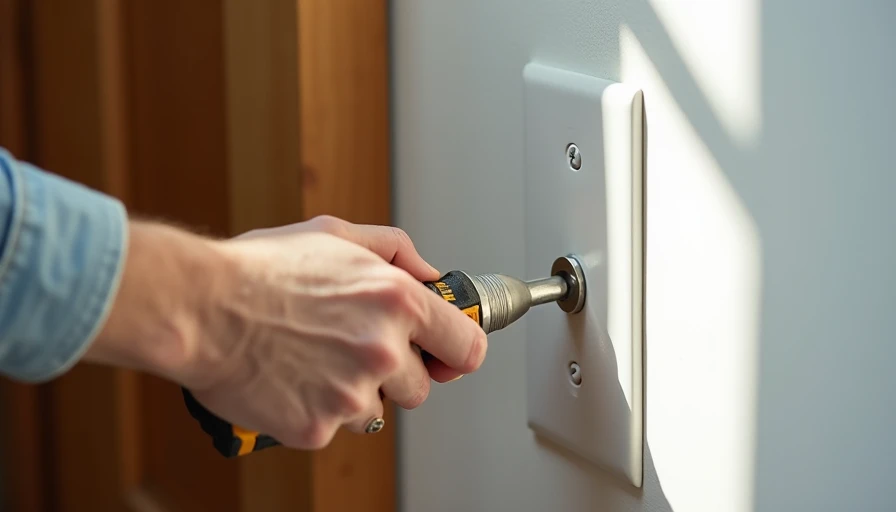
I went with simple, smooth decorator-style plates in a matte white finish. No fancy engraving, no unnecessary curves — just clean, modern rectangles that sit flush and look intentional. They’re the kind you find at any big box store or online for a couple bucks each.
We replaced every visible switch and outlet plate in the main living areas, kitchen, and primary spaces. I avoided the garage and kids’ play areas where rough use would destroy them quickly.
Installation took one evening. Unscrew the old ones, screw on the new ones. No wiring, no drama. Even with two toddlers “helping,” it was painless.
The Immediate and Long-Term Impact
Right after installation the rooms looked more polished. The matte white blended seamlessly with our walls instead of creating visual noise. Light switches suddenly felt like part of the design instead of an afterthought.
Nine months later, the difference is even clearer:
The plates have held up well to little hands and occasional bumps.
They make the trim and wall paint look more intentional.
Guests don’t notice them specifically, but they comment that rooms feel “nicer” or “more finished.”
Cleaning is easier — no more beige plastic showing every fingerprint.
For $32, it was one of the highest ROI moves we’ve made.
What to Look For When Choosing Switch Plates
If you’re considering this upgrade:
Finish matters. Matte or satin white hides imperfections better than glossy in family homes.
Decorator style is king. They’re slightly larger and more modern than standard plates, giving a cleaner look.
Match your vibe. We kept it simple to go with our warm neutrals. Brushed nickel or brass can work if you want contrast.
Buy in bulk. Getting a pack of 10-20 saves money and ensures consistency across rooms.
Check screw alignment. Some older houses have switches that sit at weird angles — decorator plates are more forgiving.
Budget Breakdown: Cheap but Mighty
18 decorator switch/outlet plates: $28
Screwdriver and 10 minutes of swearing at tight screws: $0 (already owned)
Optional: wall anchors for loose boxes: $4 Total: $32
Compare that to new cabinet hardware or lighting and you’ll see why this belongs in The Detail category. Tiny spend, noticeable improvement.
What I’d Do Differently (and Other Detail Wins)
I wish I’d done this earlier — right after the first room paint. It would have made the painting feel more complete from day one. Next time, I’ll also replace the outlet plates in less visible areas for full consistency.
This project reminded me of other small details that punch above their weight: consistent cabinet pulls, thoughtful grout color, and proper switch height. Each one is another example of thinking things through instead of rushing.
Why These Small Upgrades Matter in Real Family Homes
With kids running around, it’s easy to focus only on big-ticket items like kitchens and baths. But the everyday details affect how the house feels day after day. Good switch plates don’t impress visitors with wow-factor — they quietly make the space feel cared for. That calm, thoughtful feeling is exactly what we were going for.
In our suburban Colonial, these $32 plates helped bridge the gap between “renovation in progress” and “home we actually enjoy.” They’re not flashy, but they work.
If your house still has builder-grade everything, start here. Grab a few samples, swap one room, and see how it feels. You’ll probably end up doing the whole house like I did.
Next in The Detail I’ll share the three grout colors I tested before picking the one nobody notices. Until then, go look at your light switches. If they’re beige and basic, you know what to do.
— Ethan
No letters yet — be the first to write.