We were standing in the middle of a half-finished kitchen with boxes of Shaker cabinets everywhere when I made the call. “Send them back. We’re going flat panel.” Megan looked at me like I’d lost my mind. But three years later, I still think it was one of the smartest mid-project pivots we made. This is the story of why style choices that look great on Pinterest can fall apart in real family life — and what I learned about cabinet doors the hard way.
The Initial Obsession with Shaker Style
Like a lot of homeowners in 2021, I was deep in the Shaker rabbit hole. Those clean lines, the raised panels, the timeless look everyone on Houzz seemed to love. I convinced myself that Shaker cabinets would make our 1970s kitchen feel fresh and classic at the same time.
We measured, picked a soft white finish, and ordered a full set with nice inset doors. The quote felt reasonable. On paper, it checked every box for a “thoughtful renovation.” I even spent an evening explaining to Megan why the bevel detail would catch light beautifully and make the space feel custom.
Then reality showed up.
When Real Life Met the Shaker Doors
Within days of installation starting, the problems became obvious. Leo (then 3) treated every raised panel like a drum. Tiny fingerprints appeared instantly on the edges. The inset doors required perfect alignment — something our contractor struggled with after the floor settled slightly during the first build. One door already stuck. Another showed a visible gap after just two weeks.
But the real killer was cleaning. With two small kids generating constant spills, crumbs, and mystery smears, those recessed panels became tiny dirt collectors. I found myself wiping individual bevels with a toothbrush on more than one Saturday morning. Not the vibe I was going for.
Not everything needs to cost more. Some things just need to be thought about more — preferably while you’re actually living in the mess, not just sketching it.
The Mid-Order Switch: Flat Panel Reality Check
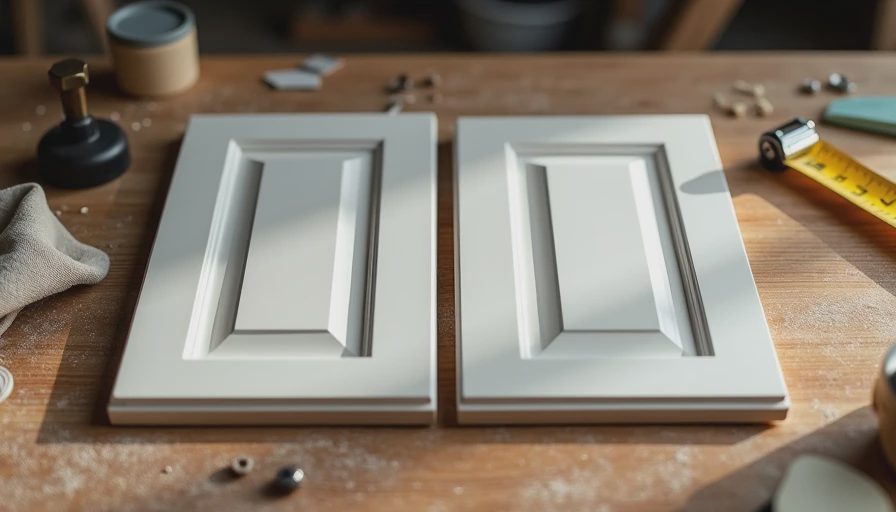
I called the supplier and ate the restocking fee. We switched to a simple flat panel door in the same warm white (#F5F1E9). No bevels, no raised anything — just clean, flat surfaces with a subtle edge profile.
The difference was immediate:
Easier for little hands to close without pinching.
Way simpler to wipe down in seconds instead of minutes.
The matte finish hid scuffs and toddler art much better than the Shaker version ever could.
Visually, the kitchen felt calmer and more modern without losing warmth.
We kept the same cabinet boxes, so the structural cost stayed low. The change order mainly hit the door fronts and a few hardware adjustments.
Budget Breakdown: The Real Cost of Changing Your Mind
Original Shaker order:
Cabinet set with Shaker doors: $6,800
Switch to flat panel:
Restocking/return fee on Shaker doors: $680
New flat panel doors & finishing: $4,920
Hardware adjustment (pulls stayed the same): $120
Extra labor for reinstall: $450
Net additional cost: ~$1,370
Still cheaper than living with doors I’d hate every single day. And because we caught it early, we avoided bigger headaches down the line.
What I’d Tell My Past Self About Cabinet Doors
If you’re standing in a showroom right now trying to decide:
Test with actual use cases. Bring home door samples and let your kids touch them. Spill coffee on them. See what cleaning really feels like at 7am with a toddler on your hip.
Think about maintenance, not just aesthetics. In a family kitchen, flat panels win on durability and ease. Shakers look amazing in magazines but require more upkeep.
Consider sight lines and scale. In our smaller suburban kitchen, the simpler flat panels made the space feel larger and less busy. The Shakers added visual weight that started to feel heavy.
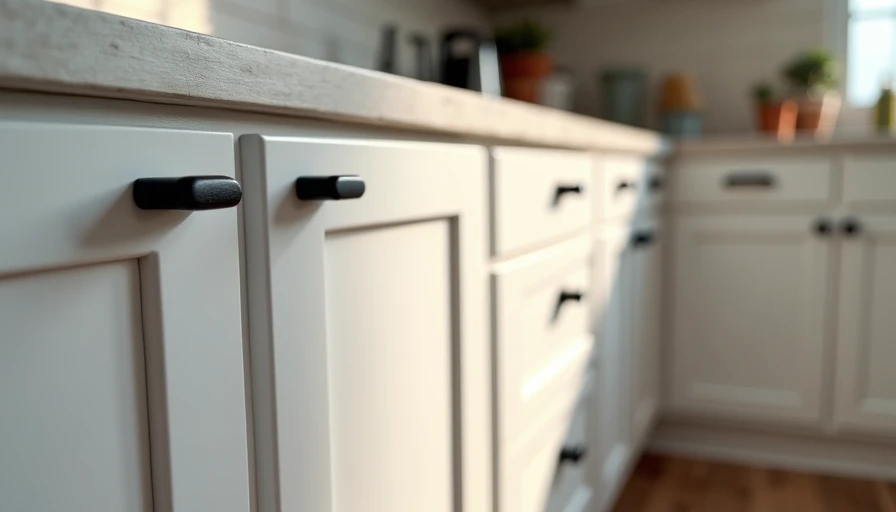
Hardware makes or breaks it. We paired the flat panels with simple matte black pulls (5-inch centers). The contrast gives personality without competing with the doors.
How It Feels Three Years Later
The flat panel cabinets still look sharp. They’ve survived marker attacks, yogurt explosions, and countless Lego constructions on the counters. The finish has held up beautifully with just regular cleaning — no special rituals required.
Friends who come over often comment on how calm the kitchen feels. They don’t notice “flat panel” versus “Shaker.” They just feel how easy the space is to be in. That’s the real win.
This switch taught me one of the biggest lessons in The Detail category: the micro-decisions that seem small on ordering day become huge once you’re living with them daily. A few hundred dollars and some pride-swallowing saved us years of low-level annoyance.
Other Detail Choices That Paid Off in the Same Project
While we were rethinking doors, we also adjusted:
Light switch height (raised slightly for adult reach with kids underfoot)
Cabinet pull placement (centered vertically on doors for better ergonomics)
Toe kick depth (deeper than standard to fit our robot vacuum)
I’ll dive deeper into those in future Detail posts. Each one is another example of slowing down to think things through instead of rushing the “pretty” choice.
If you’re planning your own kitchen or already mid-renovation and second-guessing a decision, trust your gut when something doesn’t feel right in real life. It’s cheaper to fix early than to live with regret for years.
Next time in The Detail, I’ll talk about the three grout colors I tested and why the one nobody notices ended up being perfect. Until then, go touch some cabinet samples with sticky fingers. You’ll thank yourself later.
— Ethan
No letters yet — be the first to write.