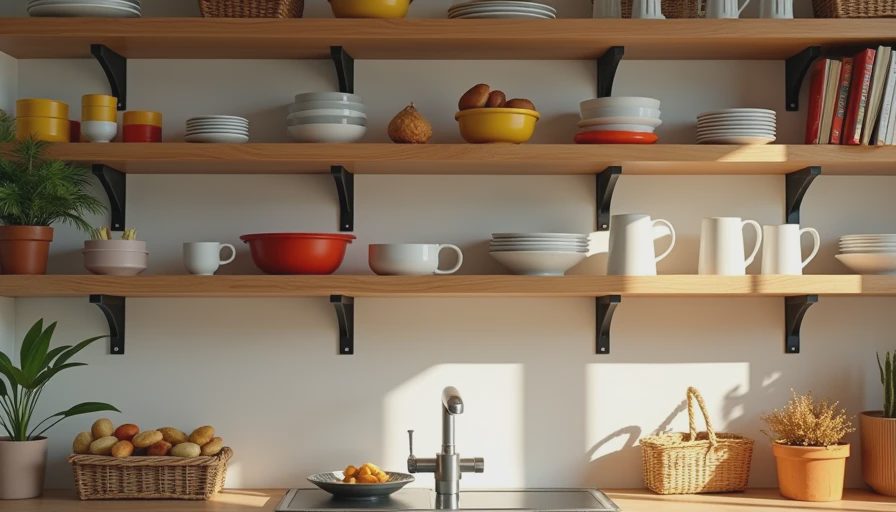
Open shelving was supposed to be one of those stylish, Instagram-worthy choices that would make our kitchen feel airy and organized. I carefully planned the heights, picked nice brackets, and styled it with cookbooks and pretty dishes. Then June hit the terrible twos and turned the whole thing into a daily demolition derby. This is the story of how a two-year-old became my toughest design critic and what I learned about living with open shelving in a real house with real kids.
The Dream: Why We Went Open
After the kitchen redesign, we had a blank wall that cried out for storage. Closed cabinets felt heavy, and I liked the idea of easy access for everyday items. Megan agreed — it would make the space feel bigger and give us a place to display some of our favorite pieces.
We measured for adult reach, installed sturdy floating shelves at staggered heights, and stocked them with mugs, bowls, and a few decorative items. On day one it looked fantastic. I posted a photo and felt pretty smug about my product-manager-level planning.
Not everything needs to cost more. Some things just need to be thought about more — preferably with input from the shortest members of the household.
When Reality (and a Toddler) Hit
June discovered the shelves around 18 months old. At first it was cute: she’d point and ask for a snack. Then she learned to climb. Suddenly our carefully styled shelves became her personal playground.
One afternoon I walked in to find her standing on a chair, stacking bowls like Jenga. Another time she pulled down a row of mugs like dominoes. We lost two ceramic bowls and one favorite coffee mug in the first month. The “open” concept was delivering exactly what it promised — but not in the way we wanted.
The shelves collected dust faster than expected, fingerprints were everywhere, and the visual clutter started to stress me out more than the old closed storage ever did.
The Adjustments We Made After Living With It
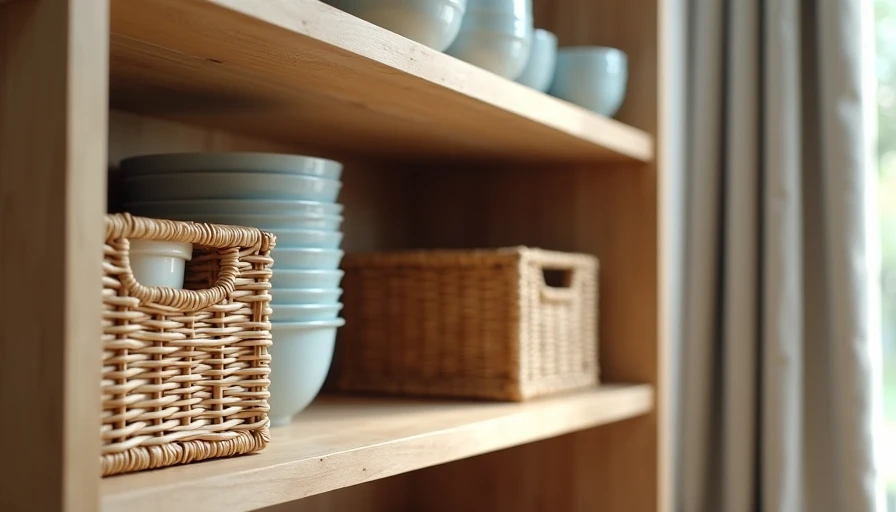
We didn’t rip them out. Instead, we adapted:
Moved breakables and sharp items to upper shelves only.
Stocked lower shelves with kid-safe, lightweight plastic containers and snacks she could reach independently.
Added a few small baskets to hide the chaos while still keeping things accessible.
Installed a simple tension rod and curtain on the bottom section for times when we needed a visual break.
These changes turned the shelves from a design statement into a working system that actually suits our family.
What a Two-Year-Old Taught Me
June’s climbing adventures highlighted several blind spots in my original plan:
Height is everything. What’s convenient for adults is a jungle gym for toddlers.
Weight and durability matter. Heavy ceramics belong behind closed doors when small humans are around.
Visual calm vs. actual calm. Open shelves look great when styled, but daily life turns them into visual noise fast.
Flexibility wins. The best storage grows with your family, not fights against it.
She also taught me that kids want to participate. Giving her safe access to a couple of items on her level actually reduced the climbing attempts on the higher stuff.
How It Feels Now — Several Months Later
The adjusted open shelving works pretty well. The upper levels stay looking nice with minimal maintenance. The lower areas are functional chaos that we can quickly tidy. Guests still comment on how open and bright the kitchen feels, without noticing our toddler-proof hacks.
It’s not magazine-perfect, but it’s lived-in perfect. We can actually use the space without constant stress, and June feels like part of the kitchen action (which keeps her happier and us saner).
Advice for Anyone Considering Open Shelving With Kids
If you’re thinking about open shelves in a family home:
Plan for the worst-case toddler. Assume they’ll climb and pull — then design accordingly.
Mix closed and open. Use open for display and light items, closed for the stuff that matters.
Test it live. Install a temporary version with brackets and scrap wood before committing.
Choose materials wisely. Easy-to-clean surfaces and unbreakable items on lower levels.
Build in quick-reset options. Baskets, trays, or curtains make daily tidying faster.
This experience perfectly captures the Real Life category: the gap between the plan and the reality of raising kids while renovating.
Our kitchen is better for the lesson. The shelves taught me humility, adaptability, and that the best designs evolve with the people who live in them — especially the tiny ones who move at lightning speed.
If you have open shelving and a determined toddler, you’re not alone. Share your war stories in the comments or just keep reading. Next in Real Life I’ll talk about the week we lost power during a reno — and why it turned out to be strangely helpful.
For now, go check your lower shelves. If a two-year-old could reach them, you might want to rethink a few things.
— Ethan
No letters yet — be the first to write.